This post may contain affiliate links. If you purchase through these links, I may earn a small commission at no extra cost to you. This helps keep Pine+Mango running. Thank you for your support! Read our full disclosure here.
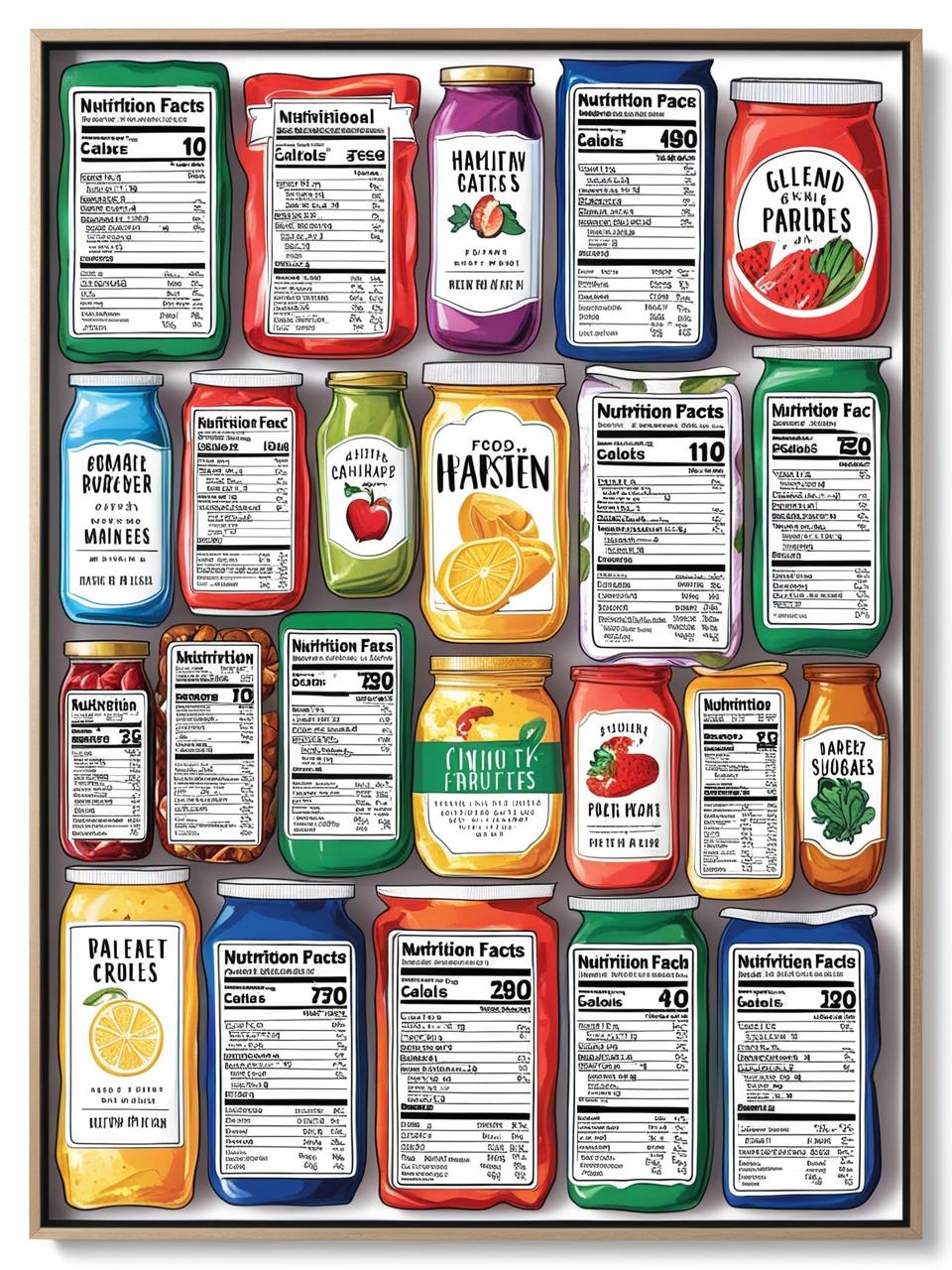
Ever stand in the grocery aisle, squinting at a food label, feeling completely lost? Yeah, me too.
I used to toss things in my cart based on whatever the front of the package screamed at me. “Natural!” “Healthy!” “Low-fat!” Spoiler alert: those words mean almost nothing.
The real story? It’s hiding on the back of the package, in tiny print, in that ingredients list most of us skip right over.
Learning to actually decode food labels changed everything for me. It was like someone handed me a decoder ring to the food industry’s secrets. Suddenly, I could see what I was really eating — and honestly, some of it was shocking.
But here’s the good news: once you know what to look for, it takes like 10 seconds to scan a label and make a choice that actually serves your body.
Let me show you how.
Subscribe to Our Nourished Newsletter
Get free weekly guidance for your plant-based journey, straight to your inbox.
- Why the Ingredients List Matters More Than You Think
- The Number One Rule: Shorter Is Usually Better
- Spotting Hidden Sugars (They're Sneakier Than You Think)
- The Oil Situation (Yes, Even the "Good" Ones)
- Decoding the Chemical Names
- Reading Labels in the Right Order
- The Protein Trap
- What "Natural" Really Means (Hint: Not Much)
- The Freedom in Knowledge
- Taking Action Today
- FAQs for Decoding Food Labels
- In Essence: Your Journey Forward
- Subscribe to Our Nourished Newsletter
Why the Ingredients List Matters More Than You Think
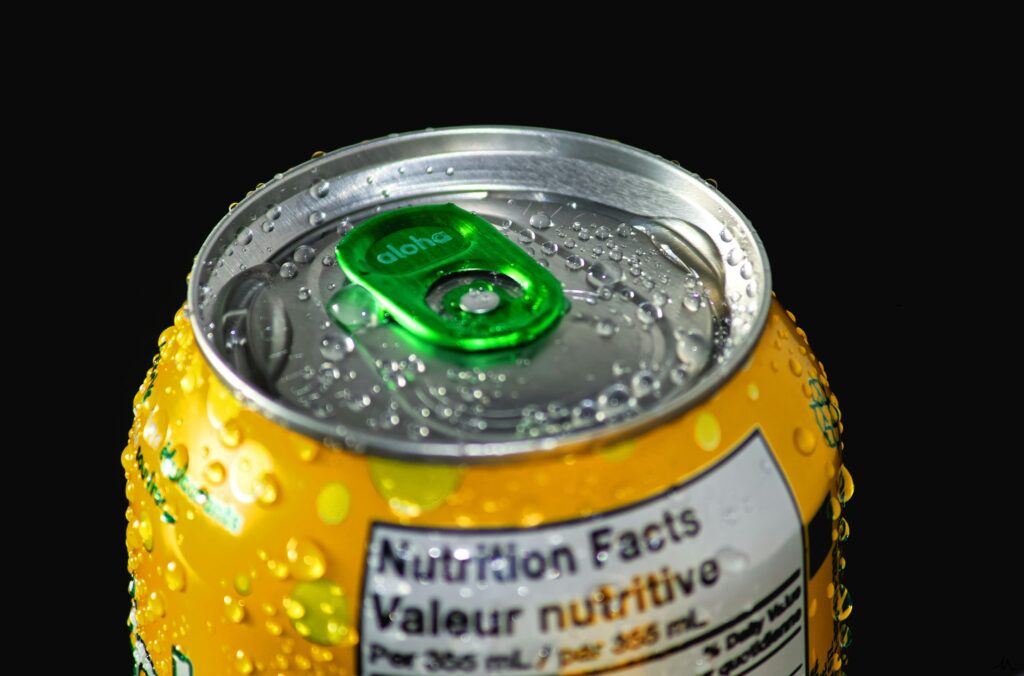
Here’s what nobody tells you: the front of a food package is basically a billboard. It’s designed by marketing teams whose job is to make you buy the product, not to tell you the whole truth.
The ingredients list, though? That’s where the real information lives.
By law, companies have to list everything that’s in their product, in order from most to least by weight.
This is your truth-teller.
When I started paying attention to ingredients lists instead of front-of-package claims, my entire relationship with food shifted. I realized that “whole grain” bread often had more sugar than my body needed.
That “natural” snack bars were loaded with processed oils. That products marketed as “healthy” sometimes had ingredient lists longer than my grocery receipt.
Your body deserves better than mystery ingredients and hidden junk. And you deserve to know what you’re eating.
The Number One Rule: Shorter Is Usually Better
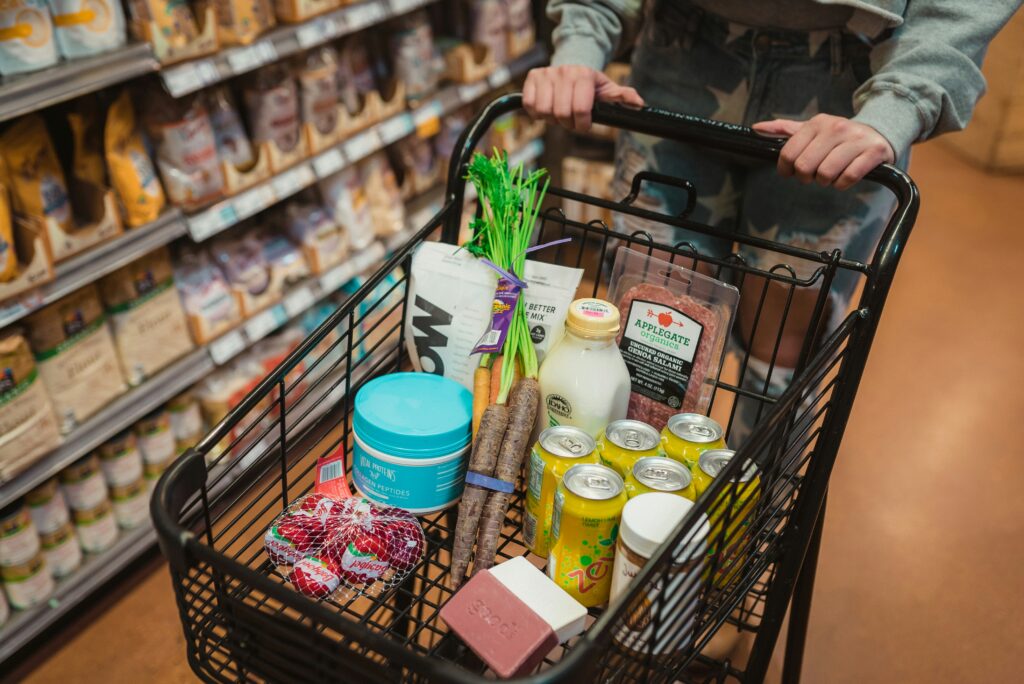
If the ingredients list reads like a chemistry textbook, put it back.
I’m not saying you need to only eat foods with three ingredients (though that’s not a bad goal). But generally speaking, the shorter and simpler the list, the closer you are to real food.
Think about it: an apple’s ingredients list would just say “apple.” A bag of spinach? “Spinach.”
When you start seeing 15+ ingredients for something that should be simple, that’s your first red flag. Your body recognizes real food. It knows what to do with sweet potatoes, oats, berries, and beans.
But methylparaben-whatever-the-heck? Not so much.
Spotting Hidden Sugars (They’re Sneakier Than You Think)
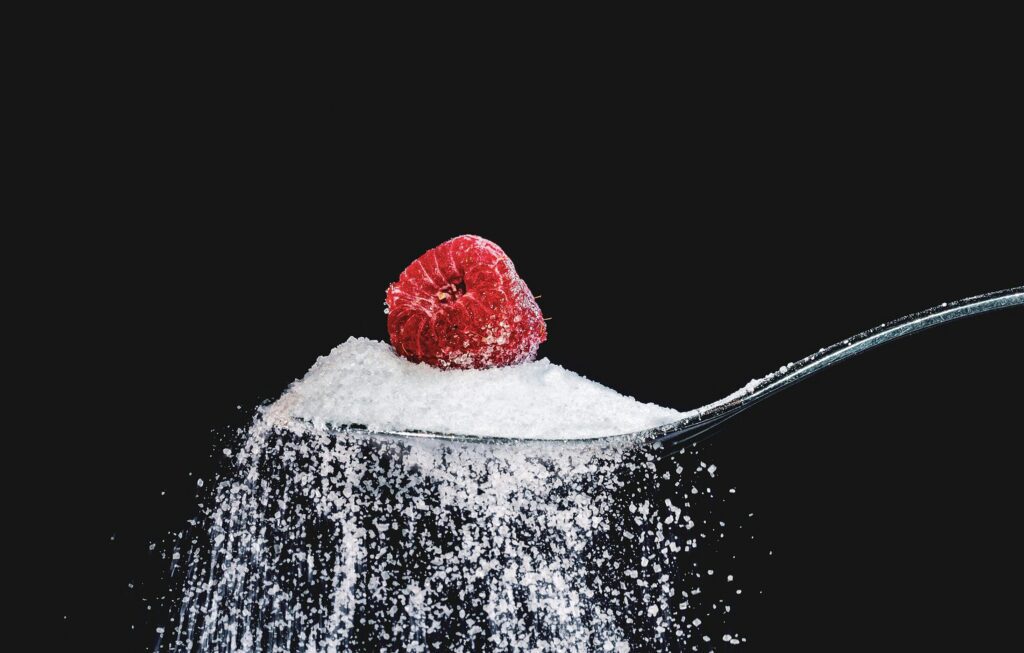
Oh boy, this one got me. Sugar hides under more than 60 different names on food labels. Sixty!
The food industry knows we’re looking for “sugar” on labels now, so they’ve gotten creative. Here are some of the most common aliases you’ll see:
- Cane juice or evaporated cane juice
- Anything ending in “-ose” (dextrose, maltose, sucrose, fructose)
- Syrups of all kinds (corn syrup, rice syrup, malt syrup)
- Agave nectar
- Fruit juice concentrate
- Barley malt
- Maltodextrin
- Dextrin
Here’s the sneaky part: companies can use multiple types of sugar in one product so that “sugar” doesn’t appear as the first ingredient.
You might see organic cane sugar as the fifth ingredient, brown rice syrup as the seventh, and fruit juice concentrate as the ninth. Add them all together, and sugar is actually the main ingredient.
Check the nutrition label too. Look at “Total Sugars” and especially “Added Sugars.” The American Heart Association recommends no more than 25 grams of added sugar per day for women and 36 grams for men.
One “healthy” granola bar can pack 12-15 grams. Do the math.
The Oil Situation (Yes, Even the “Good” Ones)
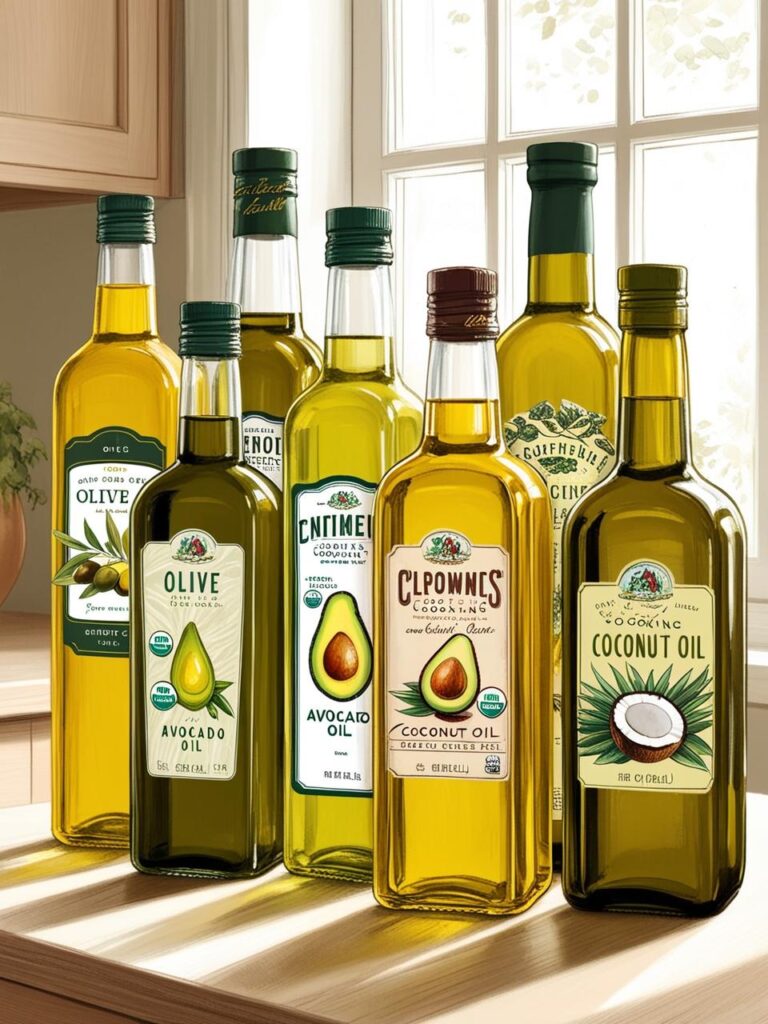
This might surprise you, but oils aren’t the health food we’ve been told they are.
I know, I know. We’ve been hearing about “heart-healthy olive oil” and “omega-rich coconut oil” forever. But here’s what changed my perspective: oils are processed foods.
They’re the most calorie-dense food on the planet (about 120 calories per tablespoon), and they contain zero fiber, zero protein, and almost no nutrients compared to their whole food sources.
When you eat olives, you get fiber, antioxidants, and nutrients along with the fat. When you eat olive oil, you just get the fat — all the good stuff has been stripped away.
Watch for these oils sneaking into packaged foods:
- Soybean oil (in almost everything)
- Canola oil
- Sunflower or safflower oil
- Palm oil (also terrible for the environment)
- Partially hydrogenated oils (these are trans fats — run away)
Even products marketed as healthy often have oil as the second or third ingredient. Hummus, veggie burgers, crackers, salad dressings — they’re swimming in oil.
Look for oil-free versions or make your own. Your body will thank you.
Decoding the Chemical Names
If you can’t pronounce it and your grandmother wouldn’t recognize it, be skeptical.
Not every scientific-sounding name is evil. Ascorbic acid is just vitamin C. Tocopherol is vitamin E.
But a lot of those long chemical names are preservatives, artificial colors, or flavor enhancers that your body doesn’t need.
Red flag ingredients to avoid:
- Artificial colors (Red 40, Yellow 5, Blue 1, etc.) — linked to hyperactivity in kids and potential health concerns
- BHA and BHT — preservatives that are possible carcinogens
- Sodium benzoate — can form benzene (a carcinogen) when combined with vitamin C
- Artificial sweeteners (aspartame, sucralose, saccharin) — mess with your taste buds and gut bacteria
- MSG (or “hydrolyzed vegetable protein” or “autolyzed yeast extract”) — flavor enhancers that can trigger reactions in sensitive people
- Carrageenan — a thickener linked to digestive inflammation
- Natural flavors — this term is so vague it’s basically meaningless; can contain dozens of ingredients
I’m not saying you’ll keel over if you eat something with these ingredients once. But when they show up in food after food, day after day, they add up.
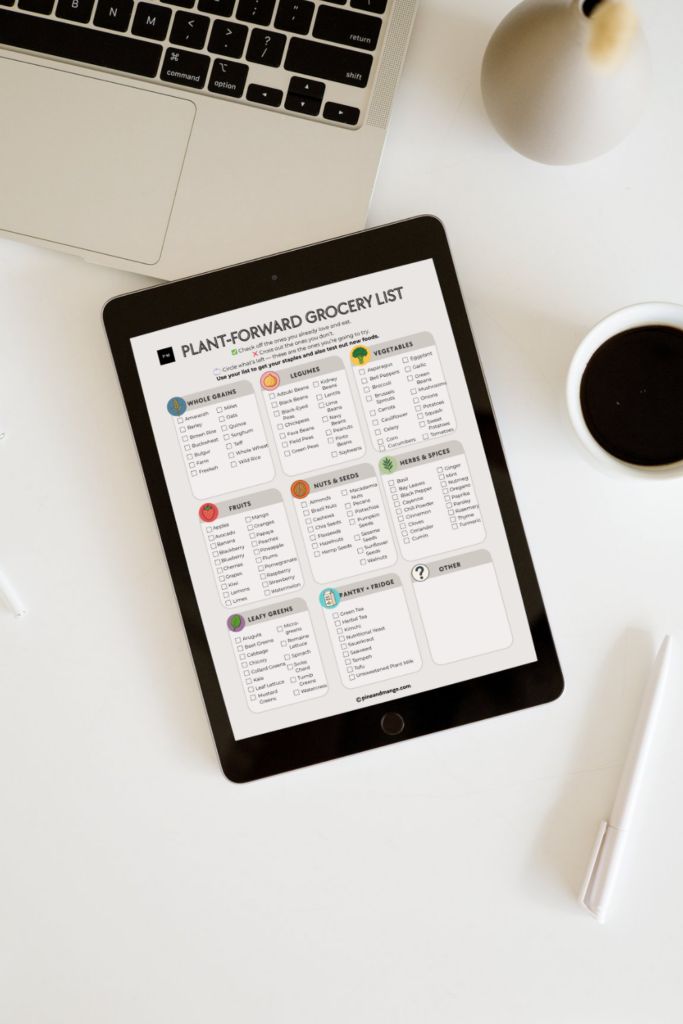
Get Your FREE Plant-Forward Grocery List Today!
Reading Labels in the Right Order

Ingredients are listed by weight, from most to least. This matters more than you might think.
If sugar is the first ingredient, you’re basically eating a sugar product with other stuff mixed in. If whole grain flour is first and sugar is near the end, that’s a totally different story.
Here’s my quick scanning system:
- First three ingredients: These make up the bulk of what you’re eating. This is where I decide if something is worth considering or an automatic no.
- Middle of the list: Check for oils and hidden sugars here. They love to hide in the middle.
- End of the list: Usually preservatives and minor ingredients. If there’s a bunch of chemicals at the end, I’m probably putting it back.
Making It Simple: Your Quick Label Check
When I’m shopping, I do a 10-second scan. Here’s what I’m looking for:
1. Count the ingredients: Under 10 is my sweet spot
2. Can I pronounce them? If not, why am I eating it?
3. Where’s the sugar? Check multiple names and total grams of added sugar
4. Any oils? How far up the list?
5. Whole foods first? The first ingredient should be something I recognize
If it passes this quick test, it goes in my cart. If not, back on the shelf.
The Protein Trap
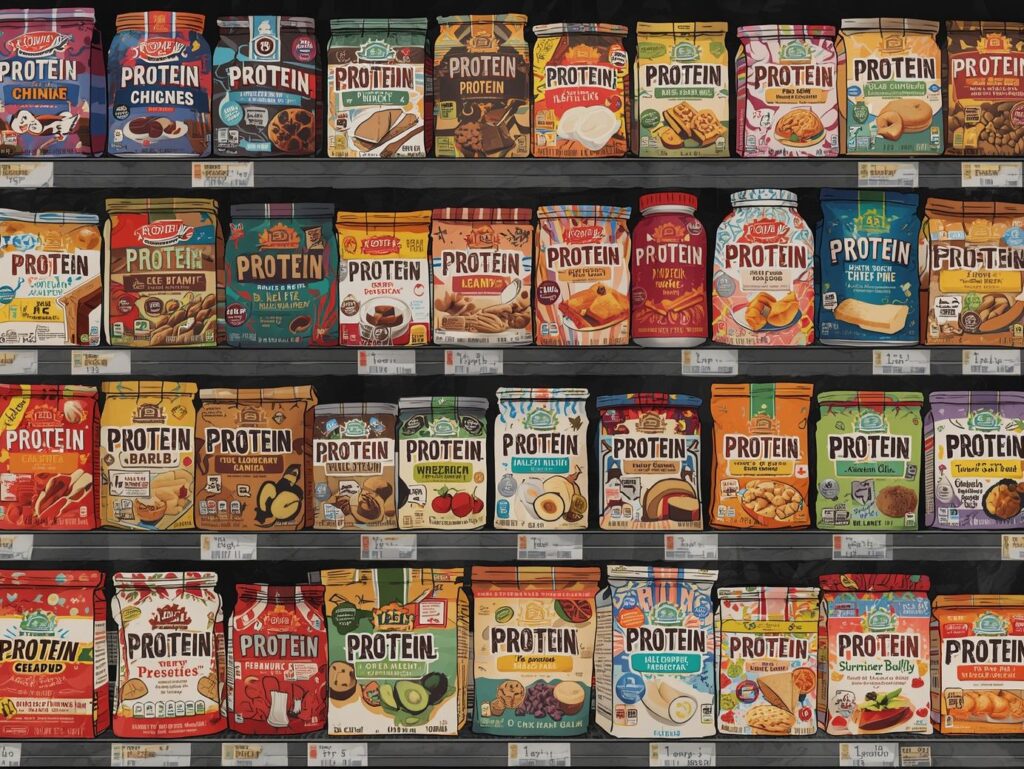
Speaking of ingredients, let’s talk about protein for a second because it comes up a lot.
Contrary to popular belief, you don’t need to obsess over protein or eat animal products to get enough. The average person needs about 0.36 grams of protein per pound of body weight.
For a 150-pound person, that’s 54 grams a day — super easy to hit with plant foods.
Beans, lentils, chickpeas, tofu, tempeh, quinoa, oats, nuts, seeds — they all contain protein. You don’t need special protein bars or shakes (which are often loaded with sugar and additives anyway).
Your body will naturally get all the amino acids it needs when you eat a variety of whole plant foods throughout the day.
Don’t fall for the marketing hype that puts “20g protein!” on every package. Check what else is in there.
What “Natural” Really Means (Hint: Not Much)
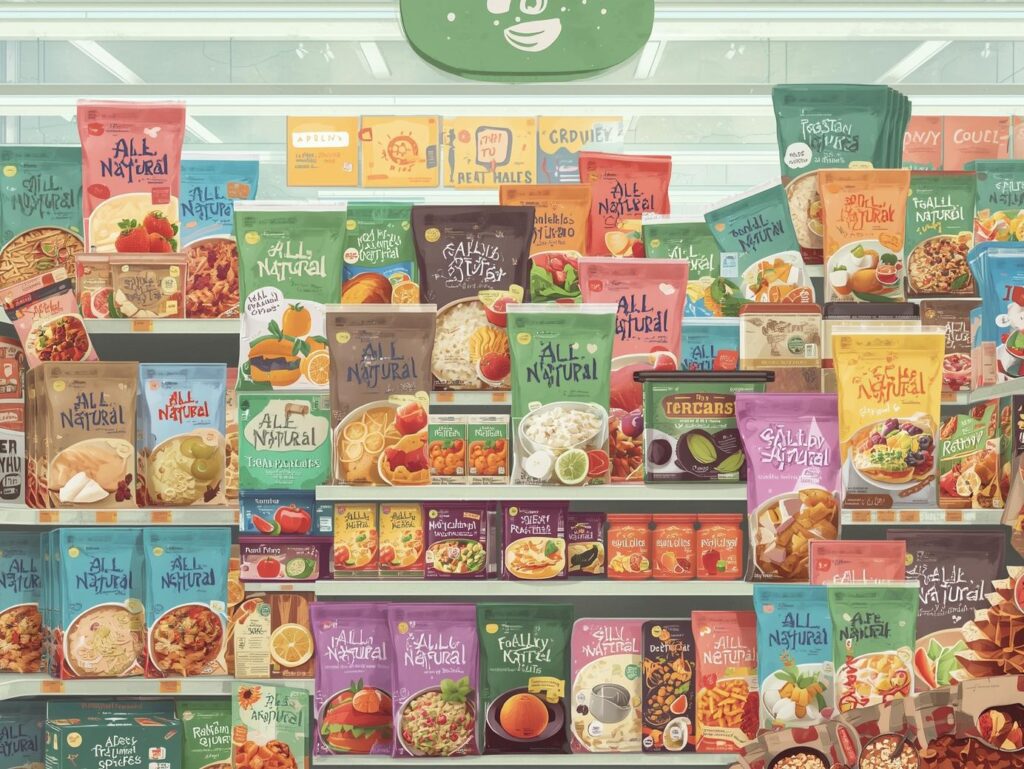
This was one of my biggest “are you kidding me” moments.
The term “natural” is almost completely unregulated on food labels. It doesn’t mean organic or healthy. It doesn’t even mean the food is minimally processed.
Companies can slap “natural” on just about anything.
Even natural flavors aren’t what you think. They’re created in labs from natural sources, but they can contain dozens of chemical compounds.
They’re designed to make you crave more of the food, not to nourish your body.
Focus on actual ingredients, not marketing buzzwords.
The Freedom in Knowledge
Learning to decode food labels isn’t about becoming worried or never enjoying anything. It’s about empowerment.
Once you know what you’re looking at, you can make choices that align with how you want to feel. You’re not being controlled by clever marketing or secret ingredients.
You’re in the driver’s seat.
And here’s what I noticed: the more I bought foods with clean, simple ingredients, the less I craved the junky processed stuff. My taste buds changed. Real food started tasting better than anything that came out of a package.
That’s not willpower. That’s your body recognizing what actually nourishes it.
Taking Action Today
Start small. Pick one meal or snack this week and really look at the label. Read the ingredients out loud. Google the ones you don’t know.
Then, next time you shop, challenge yourself to find one swap — maybe a bread with fewer ingredients, or a snack without added oils. Just one.
These tiny changes stack up faster than you think. Before you know it, decoding food labels becomes automatic. You’ll walk through the grocery store seeing through the marketing straight to the truth.
Your body is counting on you to feed it well. Give it the real, nourishing food it’s been asking for all along.
FAQs for Decoding Food Labels
Q: What’s the difference between “sugar” and “added sugar” on labels?
Total sugars include both naturally occurring sugars (like those in fruit or milk) and added sugars. Added sugars are what food manufacturers put in during processing — these are the ones you want to watch and limit.
When you’re eating whole plant foods, the naturally occurring sugars come packaged with fiber, vitamins, and minerals that help your body process them slowly. Added sugars are just empty calories without any nutritional benefit.
Always check the “added sugars” line on the nutrition facts panel.
Q: How can I tell if a food has too much sodium?
The American Heart Association recommends no more than 2,300 mg of sodium per day, with an ideal limit of 1,500 mg. When reading labels, look at the serving size first (people often miss this), then check the sodium content.
A general rule: 5% Daily Value or less is low sodium, 20% or more is high. Canned soups, frozen meals, and processed snacks are usually sodium bombs.
Watch for sodium hiding under names like monosodium glutamate (MSG), sodium benzoate, or anything with “sodium” in it. Rinsing canned beans can cut sodium by about 40%.
Q: Are organic processed foods healthier than regular processed foods?
Not necessarily. Organic means the ingredients were grown without synthetic pesticides or GMOs, which is great.
But organic cookies are still cookies. Organic cane sugar is still sugar. Organic oil is still oil. An organic product can have just as long an ingredients list and just as much sugar, salt, and fat as the conventional version.
Don’t let the word “organic“ fool you into thinking something is automatically healthy. You still need to read that ingredients list.
📖 Good Reads: How Not to Die, The China Study and Plant-Based Nutrition
In Essence: Your Journey Forward
Decoding food labels isn’t about perfection or becoming obsessed with every ingredient. It’s about awareness. It’s about giving yourself the information you need to make choices that feel good in your body.
Start where you are. Maybe this week you just decode one label. Next week, you swap one product for a cleaner version. Small steps add up to massive change.
You’re not doing this alone. Every time you choose real food over processed junk, you’re choosing yourself.
That’s not restriction. That’s freedom.
Remember: your body is wise. When you feed it well, it responds with gratitude — better sleep, steady energy, fewer cravings, clearer skin, improved mood.
These aren’t accidents. This is your body thriving because you’re finally giving it what it needs.
Keep going. You’ve got this.
⭐ What was the most shocking thing you discovered when you started decoding food labels? Drop a comment and let’s learn from each other’s experiences.