
This post may contain affiliate links. If you purchase through these links, I may earn a small commission at no extra cost to you. This helps keep Pine+Mango running. Thank you for your support! Read our full disclosure here.
You know that feeling when your chest is tight, your thoughts won’t stop racing, and you can’t remember the last time you took a full breath?
I’ve been there. For years, I lived in constant fight-or-flight mode, always on edge, never truly relaxed. My body forgot how to breathe properly because I was too busy surviving.
Sound familiar?
Here’s what changed everything for me: learning that my breath is the fastest, most accessible tool I have to tell my nervous system it’s safe to relax.
No apps, no equipment, no monthly subscription. Just me and the air moving in and out of my lungs.
In this guide, you’ll discover how simple breathing exercises can shift you from stressed to settled in minutes.
You’ll learn practical techniques that actually work when anxiety hits, and you’ll understand why your breath is more powerful than you ever realized.

Subscribe to Our Nourished Newsletter
Get free weekly guidance for your plant-based journey, straight to your inbox.
- What Is Breathwork and Why It Matters
- The Science Behind Why Breathwork Works
- Benefits You'll Actually Feel
- Getting Started: What You Need to Know
- Simple Breathing Techniques for Beginners
- Building Your Daily Breathwork Practice
- Common Mistakes to Avoid
- Breathwork for Specific Situations
- Combining Breathwork with Plant-Based Eating
- FAQs About Breathwork for Beginners
- In Essence: The Journey of a Thousand Breaths
- Subscribe to Our Nourished Newsletter
What Is Breathwork and Why It Matters
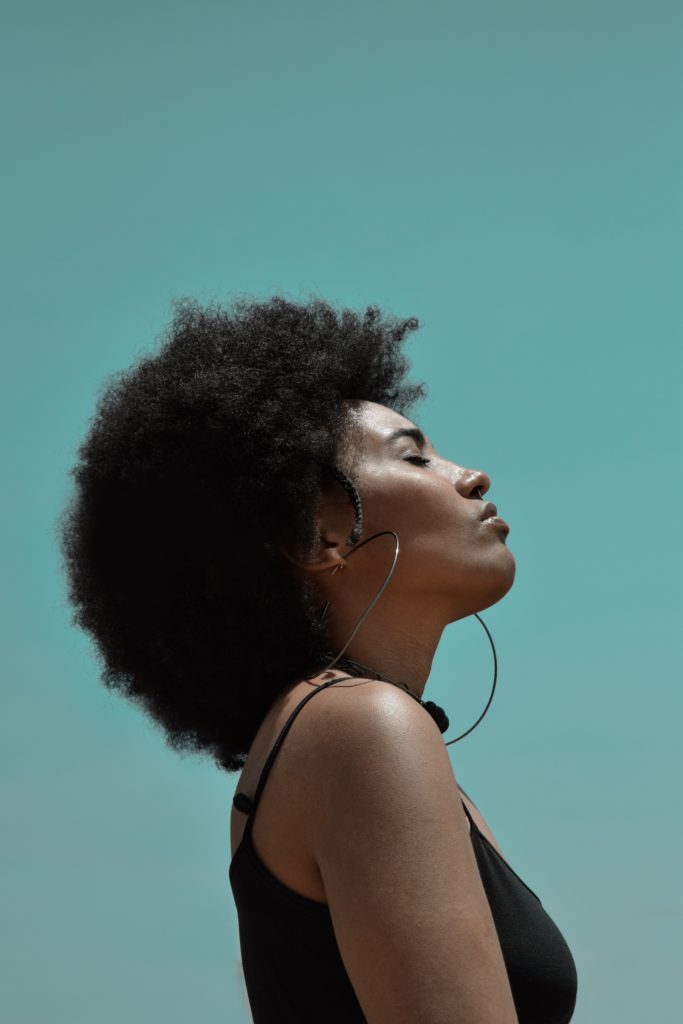
Breathwork is the intentional control of your breathing patterns to influence your physical and mental state.
Unlike the automatic breathing that keeps you alive, breathwork is deliberate — you’re choosing how fast, how deep, and how long each breath lasts.
Think of your breath as a remote control for your nervous system.
Research shows breathwork interventions are associated with lower stress levels, helping you switch from the sympathetic “fight or flight” state to the parasympathetic “rest and digest” mode.
Before I discovered this, I thought stress management meant bubble baths and vacation days. But your breath? It’s with you always, ready to help.
The Science Behind Why Breathwork Works

Your nervous system has two main operating modes.
The sympathetic nervous system revs you up — faster heartbeat, shallow breathing, heightened alertness. The parasympathetic nervous system calms you down — slower heart rate, deeper breathing, relaxation.
Most of us get stuck in sympathetic mode. We’re rushing, worrying, doing, achieving. Our bodies never get the signal that the crisis is over.
Controlled breathing directly influences respiratory rate, which can cause more immediate calming effects by increasing vagal tone during slow breathing.
The vagus nerve is like a highway between your brain and body, and slow breathing activates it, telling your whole system to chill out.
Studies have found decreased cortisol levels and increased heart rate variability in breathwork practitioners. Lower cortisol means less stress hormone flooding your system. Better heart rate variability means your body is more resilient and adaptable.
In plain terms? When you breathe slowly and deeply, you’re literally changing your body’s chemistry.
You’re not just “thinking positive.” You’re rewiring your stress response.
Benefits You’ll Actually Feel

Let me be real with you — I was skeptical at first. How could breathing differently make any real difference? But after just a few days of practice, I noticed changes.
My shoulders dropped away from my ears. That knot in my stomach loosened. I could sleep without my mind spinning for hours.
A meta-analysis showed breathwork was associated with lower levels of stress, anxiety, and depression. These aren’t vague promises. They’re measurable improvements.
Here’s what regular breathwork can do for you:
Immediate Effects
- Reduced anxiety within minutes
- Lower heart rate and blood pressure
- Mental clarity and focus
- Release of physical tension
Long-Term Benefits
- Improved sleep quality and faster sleep onset
- Better emotional regulation
- Increased stress resilience
- Enhanced mind-body connection
- Reduced symptoms of chronic stress
Studies found that breathwork interventions produced improvements in daily mood, and participants who practiced regularly reported feeling better the more days they practiced.
The beauty of breathwork is its accessibility. You don’t need to be flexible, fit, or spiritually enlightened. You just need lungs.
Getting Started: What You Need to Know

Before diving into techniques, let’s cover the basics that’ll make your practice easier and more effective.
- Where to Practice: Anywhere quiet where you won’t be interrupted. Your bedroom, a parked car, a bathroom stall at work (been there!). You don’t need a meditation cushion or a peaceful mountaintop.
- When to Practice: Start with twice daily — morning and evening. Morning practice sets your nervous system for the day. Evening practice helps you unwind. But honestly? Practice whenever stress hits. Waiting in line, stuck in traffic, before a difficult conversation.
- How Long: Begin with just 2-5 minutes. Seriously, that’s it. Consistency beats duration every time. I’d rather you do 3 minutes daily than plan for 30 minutes and never start.
- Common Concerns: You might feel lightheaded at first. This is normal — you’re getting more oxygen than usual. If it happens, pause and breathe normally. You might also feel emotional. Breath releases stored tension, and sometimes tears come. That’s okay too.
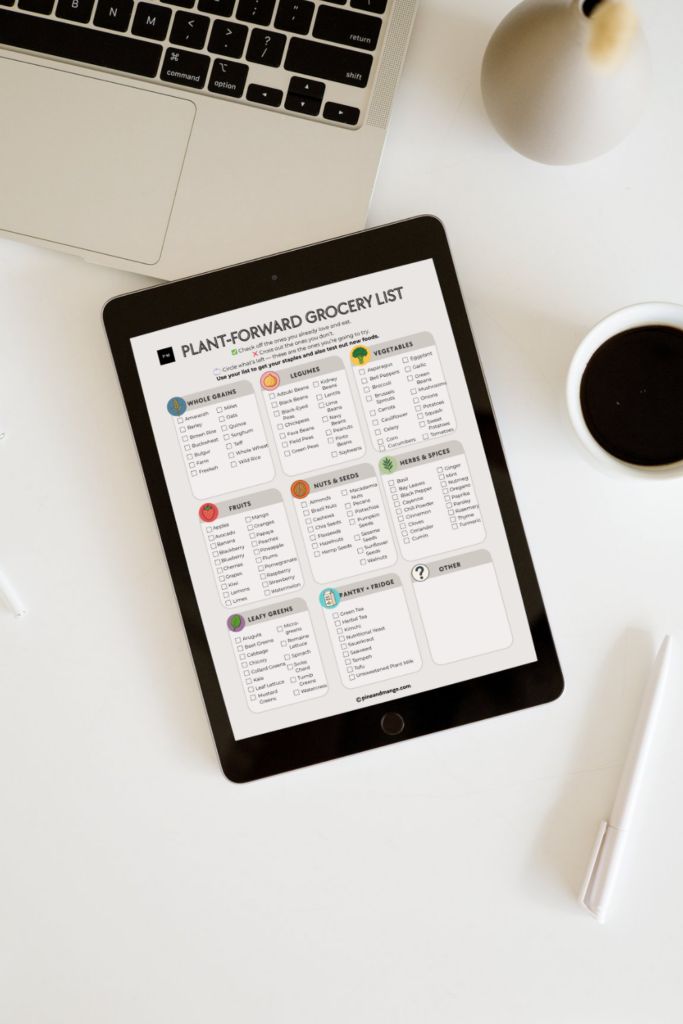
Get Your FREE Plant-Forward Grocery List Today!
Simple Breathing Techniques for Beginners
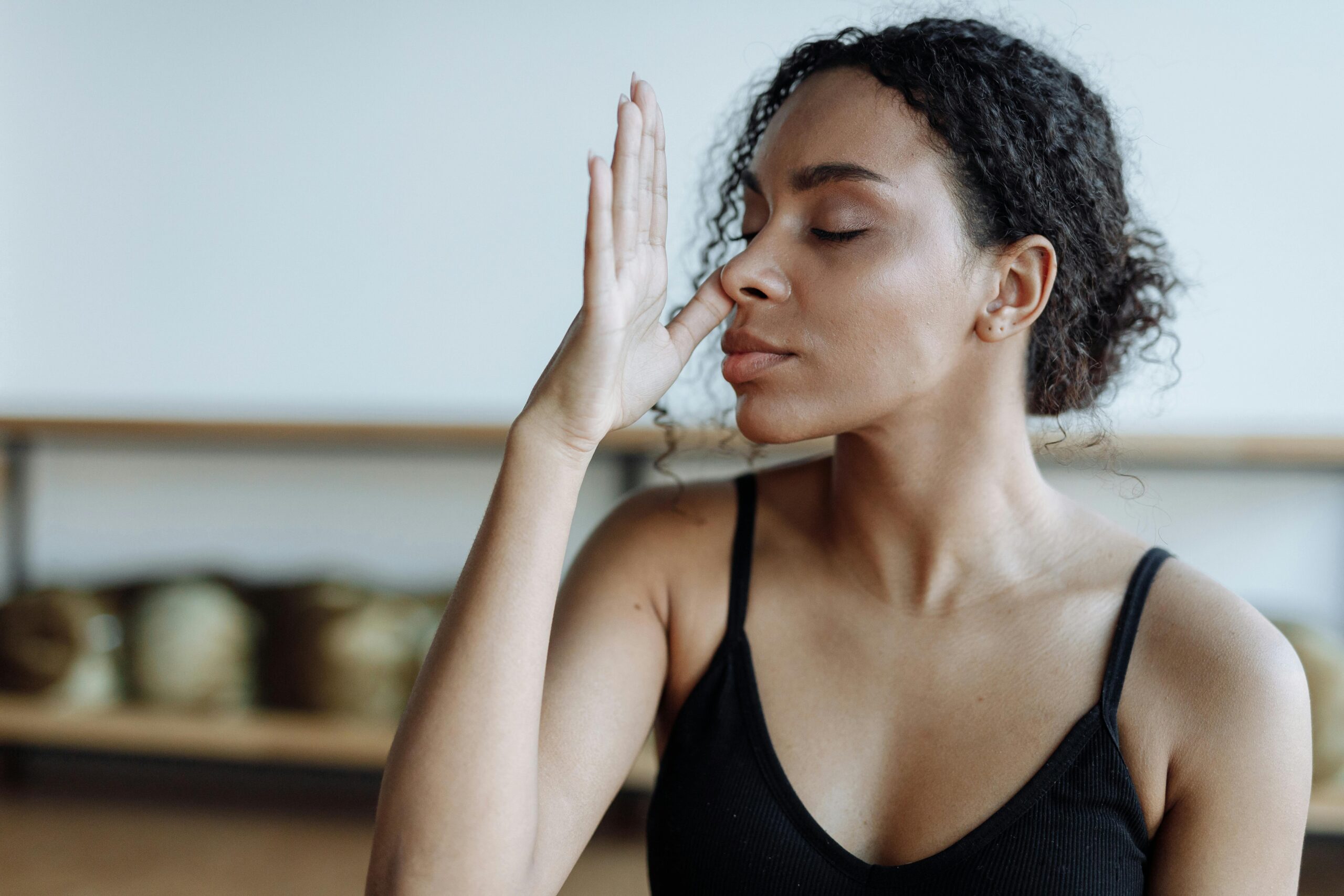
Let’s get practical. Here are three techniques you can start using today.
1. Box Breathing (4-4-4-4)
This is my go-to when I need to center myself quickly. Navy SEALs use this in combat situations, so you know it works under extreme stress.
How to do it:
- Sit comfortably with your back straight
- Breathe in through your nose for 4 counts
- Hold your breath for 4 counts
- Breathe out through your mouth for 4 counts
- Hold empty for 4 counts
- Repeat for 3-5 minutes
The equal timing creates balance in your nervous system. You’re not overstimulating or under-stimulating — you’re finding equilibrium.
★ Use this when: You need focus before an important task, you’re feeling scattered, or you need to reset your nervous system in the middle of a hectic day.
2. Diaphragmatic (Belly) Breathing
This is the foundation of all breathwork. Most of us breathe shallowly into our chests, but deep belly breathing uses your full lung capacity.
How to do it:
- Lie down or sit with good posture
- Place one hand on your chest, one on your belly
- Breathe in slowly through your nose, letting your belly expand (not your chest)
- Your belly hand should rise while your chest hand stays relatively still
- Exhale slowly through your mouth, belly falling
- Continue for 5-10 minutes
This engages your diaphragm properly, improving lung function and reducing stress and anxiety. It’s the breathing pattern your body was designed to use.
★ Use this when: You’re learning breathwork basics, you need to ground yourself, or you want to practice proper breathing mechanics.
3. 4-7-8 Breathing (The Relaxing Breath)
The 4-7-8 breathing technique was developed by Dr. Andrew Weil and involves inhaling for 4 seconds, holding for 7 seconds, and exhaling for 8 seconds.
This technique is particularly powerful for relaxation and sleep.
How to do it:
- Sit or lie down comfortably
- Place your tongue behind your upper front teeth
- Exhale completely through your mouth with a “whoosh” sound
- Close your mouth and inhale quietly through your nose for 4 counts
- Hold your breath for 7 counts
- Exhale completely through your mouth for 8 counts with a whoosh
- Repeat 3-4 times to start
The longer exhale is key. Your inbreath increases your heartbeat and your outbreath slows your heartbeat, so increasing how long you breathe out automatically helps you relax.
★ Use this when: You can’t sleep, anxiety is spiking, or you need deep relaxation.
Building Your Daily Breathwork Practice
Starting a new habit can feel overwhelming, but breathwork is one of the easiest practices to maintain because it requires zero setup.
- Start Small: Commit to just 2 minutes in the morning. Set a timer on your phone. That’s it. Don’t expand until this feels effortless.
- Anchor It to Existing Habits: Do it right after brushing your teeth, before your morning coffee, or after turning off your bedroom light at night. When you attach it to something you already do, you’re more likely to stick with it.
- Track Your Progress: Notice how you feel before and after. Are you calmer? Less reactive? Sleeping better? These wins will motivate you to keep going.
- Be Patient: Some people feel dramatic changes immediately. Others need a few weeks of consistent practice. I’m in the second group — it took me about 10 days to really notice the difference. Don’t give up.
- Adjust as Needed: Not every technique will resonate with you. That’s fine! Try each one for a few days, then stick with what feels best. I rotate between box breathing and 4-7-8 depending on what I need.
Common Mistakes to Avoid
Let me save you some frustration by sharing what tripped me up when I started.
👉🏿 Forcing the Breath: Breathwork should never feel strained or uncomfortable. If you’re gasping or straining, slow down the count or reduce the hold time. This isn’t a competition.
👉🏿 Breathing Too Fast: If you’re feeling dizzy or anxious, you might be breathing too quickly. Slow everything down. Quality over speed.
👉🏿 Inconsistent Practice: Doing 20 minutes once won’t give you results. Two minutes daily beats occasional long sessions every time. Your nervous system needs regular reminders that it’s safe to relax.
👉🏿 Expecting Perfection: Your mind will wander. You’ll lose count. You’ll forget to practice some days. Welcome to being human! Just start again without judgment.
👉🏿 Only Practicing When Stressed: While breathwork is amazing for acute stress, the real magic happens when you practice preventatively. Build your stress resilience before you need it.
Breathwork for Specific Situations

Different moments call for different techniques. Here’s your quick reference guide.
- Before Sleep: Use 4-7-8 breathing. The extended exhale activates your relaxation response. Studies show this technique helps people fall asleep faster and improves sleep quality.
- During Anxiety or Panic: Box breathing provides structure and distraction when your mind is racing. The counting gives your brain something to focus on besides worry.
- For Energy and Focus: Try faster-paced breathing through your nose — 30 quick breaths followed by normal breathing. This increases alertness without coffee jitters. Just don’t overdo it if you’re new.
- After Conflict or Upset: Slow diaphragmatic breathing for 5-10 minutes helps process emotions and prevents them from getting stuck in your body.
- Throughout Your Day: Set hourly reminders to take three deep belly breaths. This prevents stress from accumulating.
Combining Breathwork with Plant-Based Eating

Here’s something I discovered accidentally: breathwork and plant-based eating work together beautifully.
When I started eating more whole plant foods, I noticed my breathing felt easier. Less mucus, less congestion, less heaviness in my chest.
Research shows plant foods reduce inflammation throughout your body, including your respiratory system.
Then breathwork amplified the benefits. The increased oxygen from proper breathing helped my body process and use all those plant nutrients more efficiently.
My digestion improved. My energy steadied. Everything worked better together.
Think of it this way: plant foods give your body the fuel it needs, and breathwork ensures that fuel gets delivered everywhere efficiently. They’re partners in helping you feel alive and well.
You don’t need to be perfect at either. Just move in the direction of more plants and more conscious breathing. Small changes create big ripples.

FAQs About Breathwork for Beginners
Q: How long does it take to see results from breathwork?
Some people notice immediate changes — feeling calmer after just one session. Research shows that practicing breathwork daily for one month produces significant improvements in mood and stress levels.
In my experience, I felt subtle shifts within a week and major changes after about three weeks of consistent practice. Your timeline might be different, and that’s okay.
Q: Can I do breathwork if I have respiratory issues like asthma?
Generally yes, but consult your doctor first.
Deep diaphragmatic breathing can improve breathing and reduce symptoms in people with asthma and other chronic respiratory conditions. Start slowly and never push past your comfort level.
If any technique triggers breathing difficulties, stop immediately and breathe normally.
Q: Is it normal to feel emotional during breathwork?
Absolutely. Breathwork releases stored tension and emotion from your body. You might cry, laugh, or feel waves of sadness or joy.
This is your nervous system processing and releasing what it’s been holding. Let the emotions move through you without judgment.
They’re not a problem — they’re proof the practice is working.
📖 Good Read: Breath: The New Science of a Lost Art
In Essence: The Journey of a Thousand Breaths
Your breath is the most underrated tool you have for transforming how you feel. It’s free, it’s always with you, and it works.
I spent years trying to manage stress through sheer willpower, distraction, and avoidance. Nothing stuck until I learned to breathe properly. Now when anxiety creeps in, I have a real tool that actually helps.
Start with just one technique. Practice it for five days and notice what changes. Maybe you’ll sleep better. Maybe you’ll feel less reactive. Or maybe you’ll just have a few moments each day where you actually feel present in your body.
This isn’t about adding another item to your to-do list. It’s about remembering something your body already knows how to do and doing it with intention. Your nervous system is waiting for permission to relax.
Give it that permission through your breath.
You deserve to feel calm. You deserve to feel safe in your own body. Breathwork can help you get there, one breath at a time.
⭐ Let’s chat: What’s your biggest challenge when it comes to managing stress naturally? Have you tried any breathing techniques before, and if so, what was your experience? Inspire others with your rhythm in the comments below!