This post may contain affiliate links. If you purchase through these links, I may earn a small commission at no extra cost to you. This helps keep Pine+Mango running. Thank you for your support! Read our full disclosure here.
You’ve heard meditation can change your life. Maybe you rolled your eyes the first time someone suggested it, just like I did.
I get it. When you’re exhausted, overwhelmed, and your mind won’t stop racing at 2 AM, the idea of sitting still and “clearing your mind” sounds about as helpful as being told to just relax.
But here’s what nobody tells you at first: meditation isn’t about emptying your mind or reaching some mystical state of zen.
It’s simpler than that, and honestly? It’s one of the most practical things you can do for your wellbeing.
I was skeptical too. How could something so simple actually work? But what started as a reluctant five-minute experiment has become my 30-minute morning ritual that keeps me grounded.
And the beautiful part? You don’t need to believe it’ll work for it to work. You just need to try.

Subscribe to Our Nourished Newsletter
Get free weekly guidance for your plant-based journey, straight to your inbox.
- Why Your Brain Actually Needs This Practice
- How to Actually Start (Without Overthinking It)
- Different Approaches to Try
- Common Obstacles (And How to Get Past Them)
- Making It Stick: Building Your Practice
- What to Expect Over Time
- FAQs About Meditation Practice for Beginners
- In Essence: Your Invitation to Begin
- Subscribe to Our Nourished Newsletter
Why Your Brain Actually Needs This Practice

Let me share something that changed how I understood meditation.
Research shows that meditation creates real, measurable changes in your brain—it increases cortical thickness, reduces reactivity in the amygdala (your stress center), and improves brain connectivity.
This isn’t woo-woo stuff. Your brain physically changes when you meditate regularly.
Think about it this way: we exercise our bodies, but when do we ever exercise our minds?
A 2024 study found that just ten minutes of daily mindfulness practice can boost wellbeing, ease depression and anxiety, and motivate healthier lifestyle choices.
Ten minutes! That’s less time than you probably spend scrolling social media before bed.
The Real Benefits Nobody Warns You About
Sure, everyone talks about stress reduction. But meditation does something deeper that I didn’t expect: it gives you space between stimulus and response.
You know that moment when someone says something irritating and you instantly react? Meditation helps you pause right there. It doesn’t make you a saint, but it makes you aware.
Studies have shown meditation helps with physical conditions like diabetes, high blood pressure, and inflammation. Your immune system gets stronger.
Meditation may even slow cellular aging by affecting telomere length, which is pretty incredible when you think about it.
But here’s what I value most: meditation taught me to be kinder to myself. When you sit with your thoughts without judgment, you start seeing patterns. You realize that the critical voice in your head isn’t always telling the truth.
That alone is worth the practice.
How to Actually Start (Without Overthinking It)
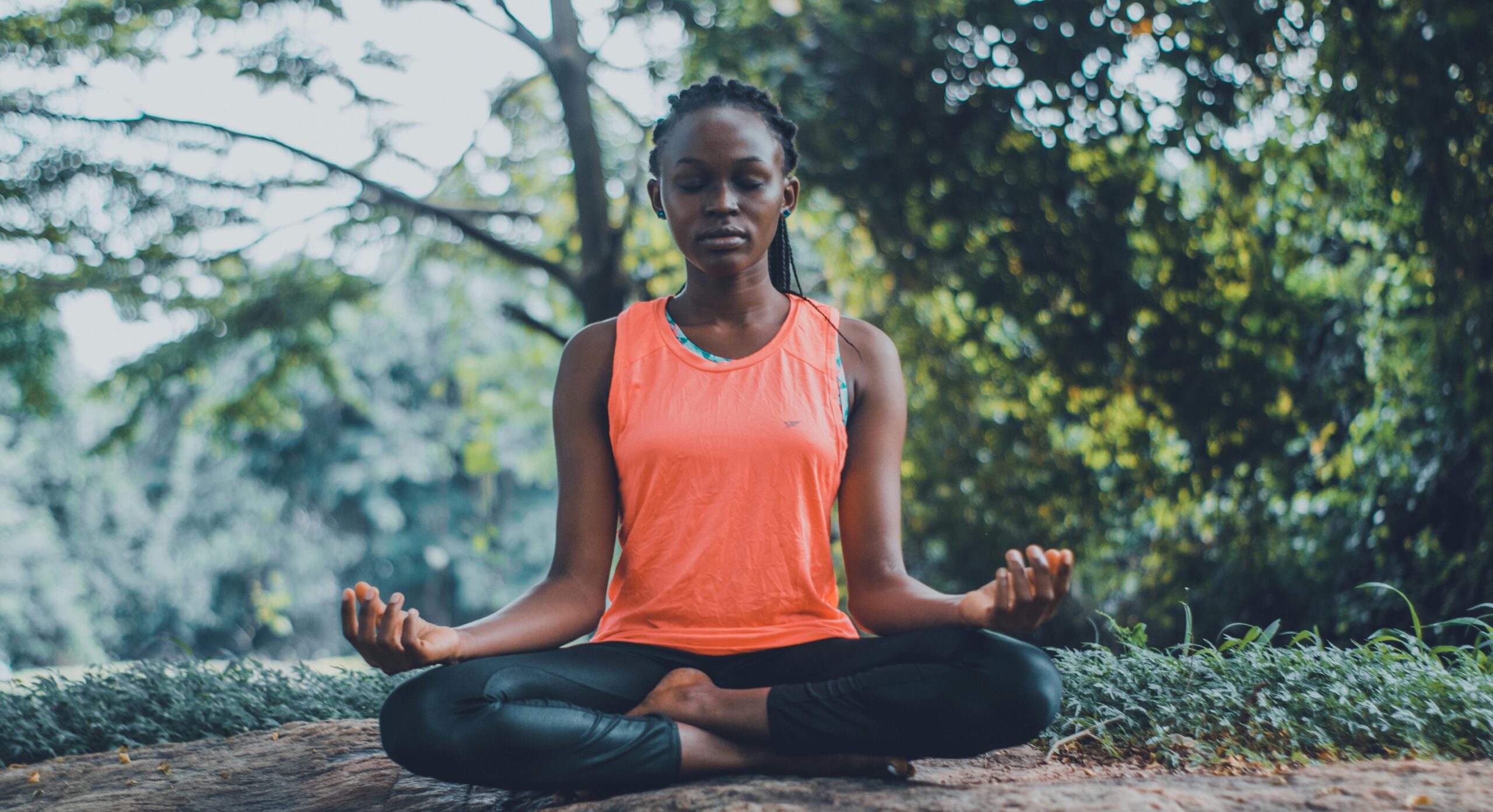
Forget everything you think you know about meditation. You don’t need special cushions, a quiet house, or an hour of free time.
You need five minutes and a place to sit. That’s it.
Step 1: Pick Your Time and Commit to It
The best time to meditate is whenever you’ll actually do it. Some people love mornings because their mind is fresh. Others prefer evenings to decompress.
I do mornings because if I wait until later, life gets in the way.
Start with five minutes. Not thirty. Not even ten. Five. Set a timer on your phone and pick the same time every day. Consistency matters way more than duration.
Research suggests it takes about 66 days for something to become routine, so give yourself time to build the habit.
Step 2: Get Comfortable (But Not Too Comfortable)
Sit somewhere that supports your back. Maybe a chair with your feet flat on the floor. Or sitting cross-legged on a cushion. It could even be on your bed if that works for you, though you might fall asleep.
The key is keeping your spine relatively straight—not rigid, just upright. This matters because it keeps you alert.
Slouching makes meditation turn into naptime, and while naps are great, they’re not meditation.
Step 3: Breathe (You’re Already Doing It)
Here’s where people get confused. They think meditation requires special breathing techniques. It doesn’t. Just breathe normally and pay attention to it.
Focus on the sensation of air moving in and out. Feel it in your nostrils, your chest, your belly. A simple technique is to mentally note “breathe in” on your inhale and “breathe out” on your exhale.
Or try counting. Breathe in, count “one.” Out, count “one.” In, count “two.” Get to ten and start over.
When you lose count (and you will), just start again at one. No big deal.
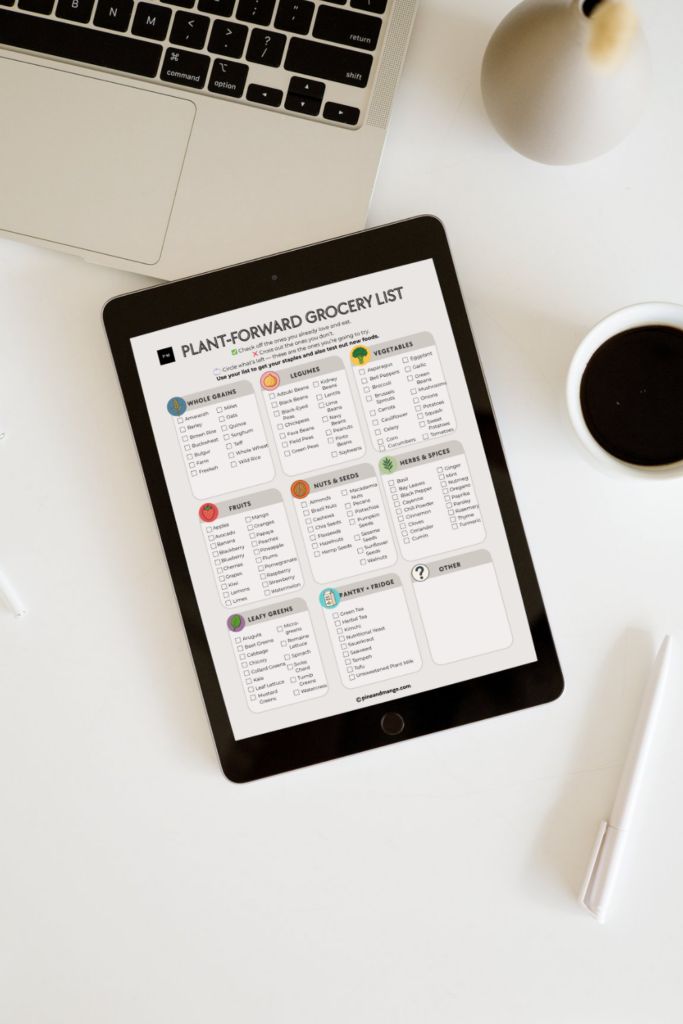
Get Your FREE Plant-Forward Grocery List Today!
Step 4: Expect Your Mind to Wander (Because It Will)
This is the part that trips everyone up.
You sit down, you focus on your breath, and within ten seconds your mind is planning dinner or replaying that awkward conversation from yesterday. You think you’re failing.
You’re not failing. That IS the practice.
Noticing that your mind has wandered is actually the whole point of meditation—you’re becoming more aware of how your mind works.
Every time you catch yourself thinking and gently bring your attention back to your breath, you’re strengthening that awareness muscle.
Be gentle with yourself here. Don’t get frustrated.
Imagine you’re talking to a friend who keeps getting distracted. You wouldn’t yell at them, right? You’d kindly redirect them. Do that with your own mind.
Step 5: End Mindfully
When your timer goes off, don’t just jump up.
Take a few seconds to notice how you feel. Notice your body in the chair, sounds around you, the light in the room. Then open your eyes slowly.
Some days you’ll feel peaceful. Other days you’ll feel restless or frustrated. Both are fine.
You’re not trying to feel a certain way—you’re just practicing awareness.
Different Approaches to Try

Once you’ve got the basics down, you can experiment with different styles.
They all work; it’s just about what feels right for you.
1. Breath-Focused Meditation
This is what I described above.
Simple, accessible, perfect for beginners. Your breath becomes your anchor.
2. Body Scan Meditation
Start at the top of your head and slowly move your attention down through your body, noticing sensations in each area without trying to change anything.
This one’s great for releasing physical tension you didn’t know you were holding.
I do this when I’m especially stressed. You’d be surprised how much tension we carry in our jaws and shoulders.
3. Guided Meditations
If focusing on your own feels too open-ended, try guided meditations. Someone talks you through it, giving your mind something to follow.
Studies show that free apps can effectively deliver meditation benefits to beginners.
There are plenty of free options online. Try a few different voices and styles until you find one that doesn’t annoy you.
That matters more than you’d think.
Common Obstacles (And How to Get Past Them)
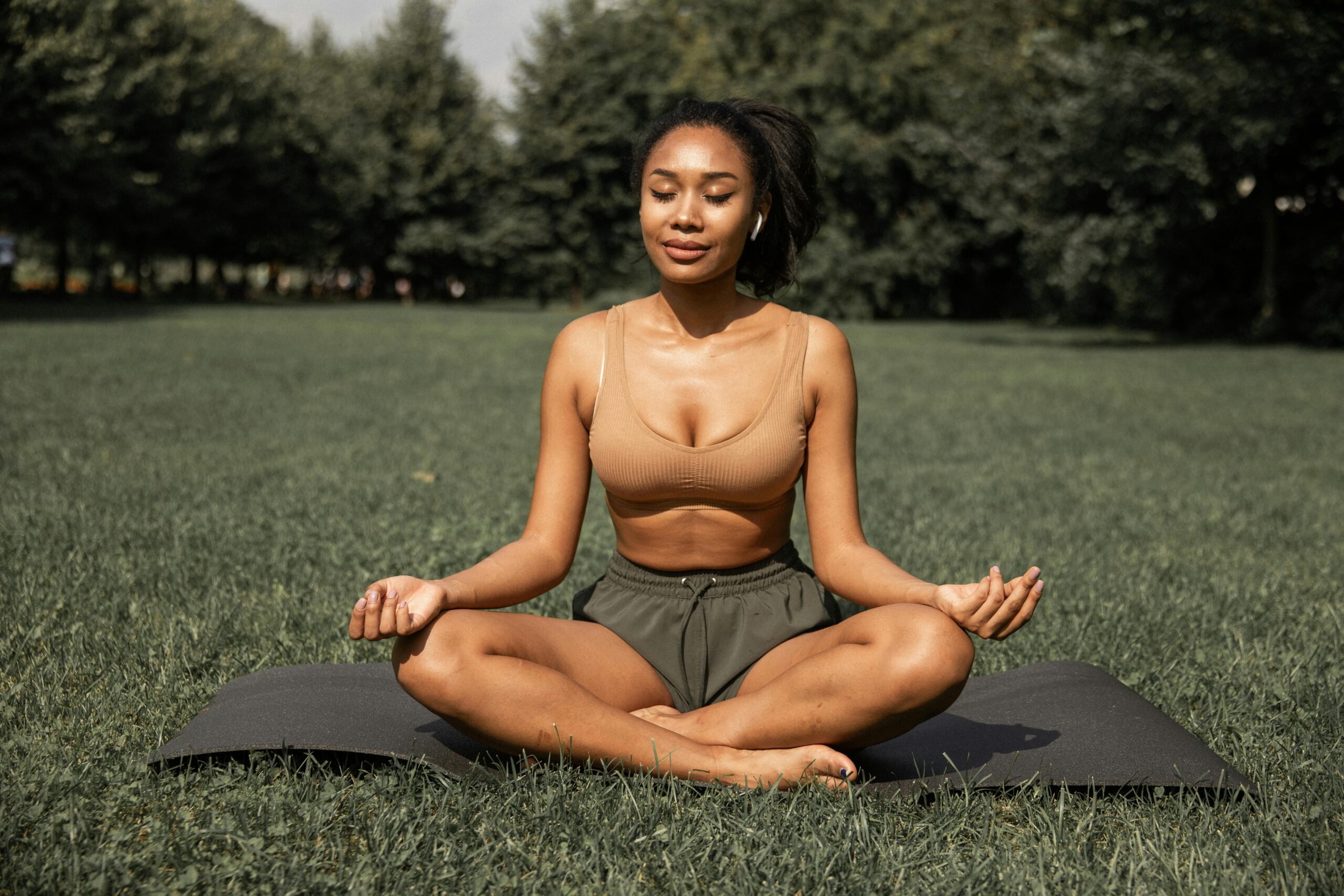
1. “My Mind Won’t Stop Thinking”
That’s not a problem—that’s your mind doing what minds do.
You’re not trying to stop thoughts. You’re practicing noticing them and letting them pass without getting swept away.
Think of thoughts like clouds moving across the sky. You’re the sky. The clouds come and go, but the sky remains. Corny metaphor, but it helps.
2. “I Don’t Have Time”
You have five minutes, you do. You might not have an hour, but five minutes exists somewhere in your day.
Wake up five minutes earlier. Meditate before bed. Do it in your car before work starts.
The “I don’t have time” excuse is usually code for “I don’t think it’s worth prioritizing.” And look, that’s fair.
But maybe try it for a week before deciding?
3. “I Keep Falling Asleep”
If you’re falling asleep, you’re probably exhausted. That’s your body telling you something.
But if you want to stay awake during meditation, try these things:
- Meditate earlier in the day when you’re more alert
- Sit in a chair instead of lying down
- Open your eyes slightly and gaze softly at a spot on the floor
- Make sure the room isn’t too warm
4. “I Feel Weird Just Sitting There”
Yeah, it feels awkward at first. Our culture doesn’t reward stillness. We’re always supposed to be doing something, producing something, achieving something.
Meditation is radical because it says: sometimes the most productive thing you can do is nothing.
Just sit and breathe. Just be present with yourself for a few minutes.
That discomfort you feel? That’s often the exact reason you need this practice.
Making It Stick: Building Your Practice

Here’s what nobody tells you about building a meditation habit: it’s boring sometimes. Not every session feels profound. Some days it’ll feel like a chore.
Do it anyway.
The magic isn’t in the individual sessions—it’s in the accumulation. It’s like brushing your teeth. You don’t do it because each session is thrilling.
You do it because it matters for your longterm wellbeing.
Tips for Consistency
- Pair it with something you already do. Meditate right after you brew your coffee. Or right before bed after brushing your teeth. Stack the new habit onto an existing one.
- Track it somehow. Put a checkmark on a calendar. Watch the streak build. There’s something satisfying about not breaking the chain.
- Start ridiculously small. Five minutes feels doable. Twenty minutes feels daunting. Start with five. Add time only when five feels easy.
- Be compassionate when you miss a day. You will miss days. That’s fine. Just start again the next day. The practice is in returning, not in perfection.
What to Expect Over Time
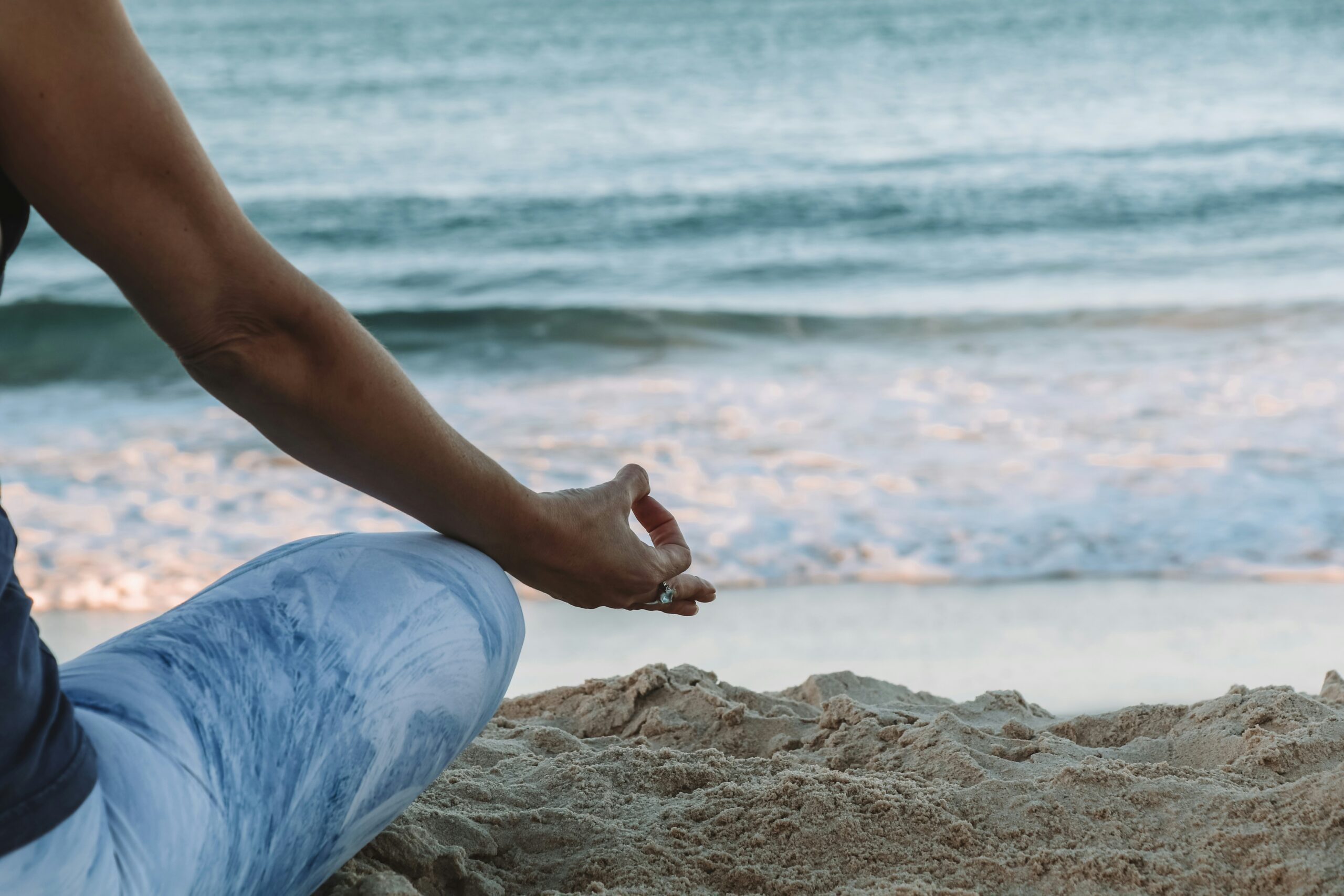
In my first week of meditating, I felt… nothing special, honestly. My mind raced. I got bored. I wondered what the hype was about.
But around week two, something shifted. I noticed I wasn’t reacting as quickly to stressful situations. I had a tiny bit more space between what happened and how I responded.
By week four, I actually looked forward to my morning practice.
Research participants showed sustained improvements to wellbeing, depression, sleep quality, and healthier lifestyle behaviors even a month after completing a mindfulness program.
The benefits stick around.
For me, meditation has become a non-negotiable part of my day, like eating or sleeping. It’s how I return to myself. How I remember that I’m not my thoughts or my to-do list or other people’s expectations.
I’m just here, breathing, being.
FAQs About Meditation Practice for Beginners
Q: “How long should I meditate as a beginner?“
Start with five minutes daily. That’s enough to build the habit without feeling overwhelming.
Once five minutes feels easy and natural, gradually increase to ten, then fifteen. Some people eventually meditate for 30-45 minutes, but there’s no rush.
Consistency matters more than duration. Five minutes every day beats thirty minutes once a week.
Q: “What if I can’t stop thinking during meditation?“
You’re not supposed to stop thinking. That’s a myth. Even experienced meditators get distracted by thoughts because the mind always thinks.
The practice is noticing when you’re thinking and gently bringing attention back to your breath. Every time you do that, you’re meditating correctly.
The wandering mind isn’t a failure—catching it and returning to your breath is the entire practice.
Q: “Do I need to sit in a special position to meditate?“
No. It’s a myth that you must sit in lotus position to meditate. Sit however you’re comfortable—in a chair, on a cushion, even lying down (though you might fall asleep).
The important things are keeping your spine relatively straight and being comfortable enough to stay still without discomfort becoming a distraction.
Find what works for your body.
📖 Good Reads: The Miracle of Mindfulness: An Introduction to the Practice of Meditation

In Essence: Your Invitation to Begin
Look, I can’t promise meditation will solve all your problems. It won’t make your stress disappear or turn you into some enlightened being.
What it will do is give you a tool for working with your mind instead of being at its mercy.
You deserve a few minutes each day that are just for you. Not productive minutes. Not achieving-something minutes.
Just being-human minutes. That’s what meditation offers.
Start tomorrow morning. Set a timer for five minutes. Sit down and breathe. Notice when your mind wanders and bring it back. That’s it. Do it again the next day, and the day after that.
You might surprise yourself with what you discover when you finally sit still long enough to listen.
⭐ Let’s chat: What’s holding you back from starting a meditation practice? Or if you already meditate, what helped you stick with it in those early days? Share your experience below—your story might be exactly what someone else needs to hear.